
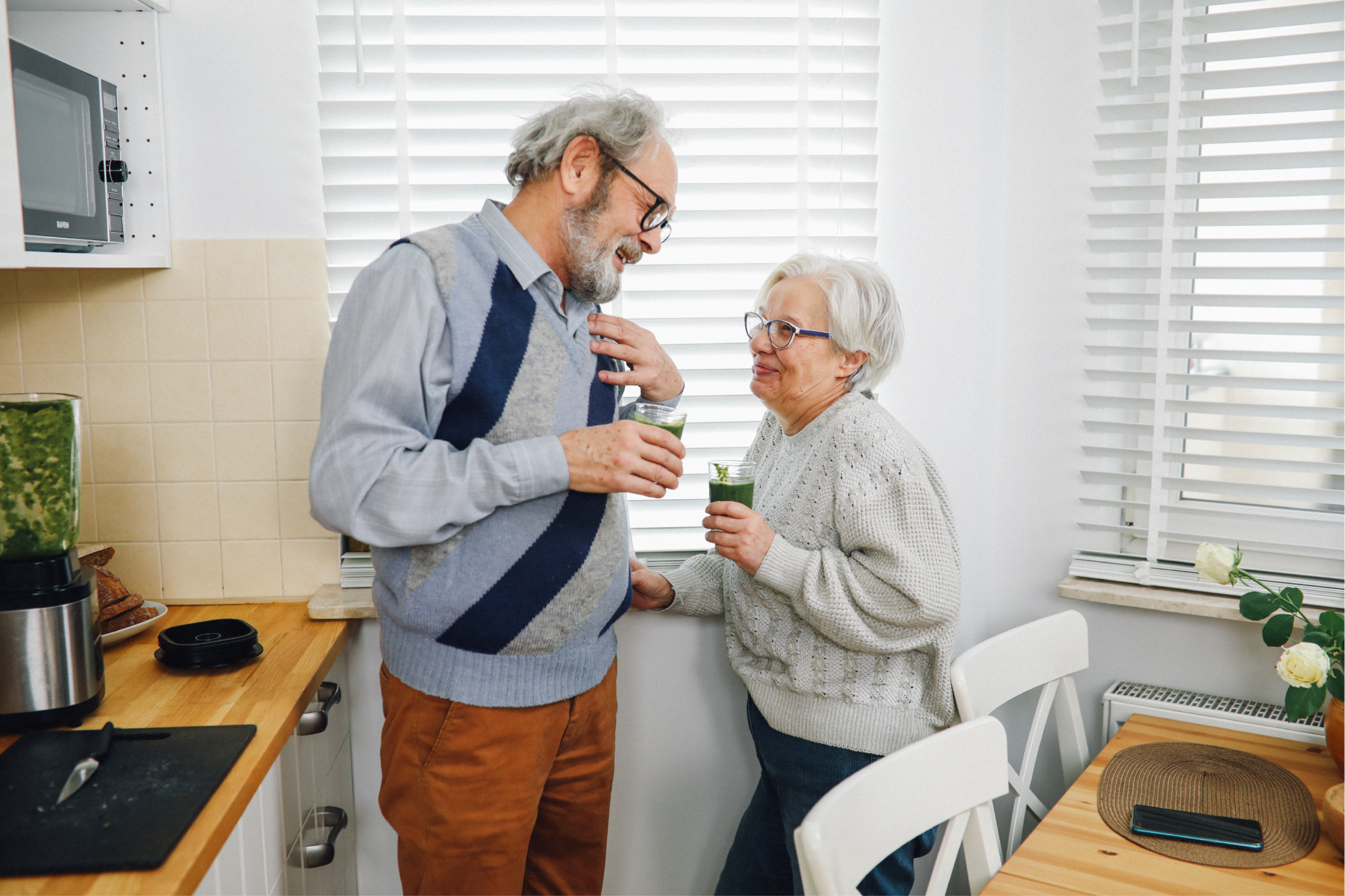
15 effective ways to improve your bladder health
While not all factors affecting bladder health are within your control, there are many practical steps you can take to support a healthy urinary system and improve overall bladder function. By adopting simple, consistent habits, you can help maintain bladder strength, reduce irritation, and promote long-term urinary health.
The following 15 effective strategies focus on everyday lifestyle changes that can help keep your bladder as healthy as possible, support better bladder control, and reduce the risk of common issues such as urinary tract infections (UTIs) and incontinence. From hydration and diet to pelvic floor strengthening and healthy bathroom habits, these steps provide a comprehensive approach to improving bladder health and overall wellbeing.
Overview
Integrating simple, practical steps into your daily routine is a proactive way to support long-term bladder health and urinary function. Rather than simply reacting to symptoms, this approach focuses on prevention, helping to maintain a healthy and resilient urinary system.
The bladder is a muscular organ that is highly responsive to lifestyle factors such as diet, hydration, muscle strength, and hygiene. Maintaining balanced fluid intake helps prevent both overly concentrated urine, which can irritate the bladder, and excessive filling that may lead to discomfort. Limiting common bladder irritants such as caffeine and highly acidic foods can further reduce inflammation and help prevent issues like urinary tract infections (UTIs) and overactive bladder (OAB) symptoms.
A strong bladder health strategy also includes supporting the pelvic floor muscles. Regular pelvic floor exercises (Kegels) improve muscle tone and bladder control, reducing the risk of stress incontinence, such as leakage during coughing, sneezing, or physical activity. In addition, managing constipation through a high-fibre diet and maintaining a healthy body weight can reduce pressure on the bladder and pelvic floor, supporting better urinary control and function.
By consistently applying these bladder health habits, you can help ensure efficient bladder filling and emptying while reducing strain on the urinary system. Over time, these practices support better bladder function, improved comfort, and a lower risk of common urinary conditions.
Ultimately, prioritising bladder health is about long-term prevention and quality of life. Making informed lifestyle choices strengthens urinary health, supports continence, and helps maintain confidence and comfort as you age.
Use the bathroom often and when needed
Try to urinate at least once every 3 to 4 hours. Holding urine in your bladder for too long can weaken your bladder muscles and make a bladder infection more likely.
Be in a relaxed position while urinating
Relaxing the muscles around the bladder will make it easier to empty the bladder. For women, hovering over the toilet seat may make it hard to relax, so it is best to sit on the toilet seat.
Take enough time to fully empty the bladder when urinating
Rushing when you urinate may not allow you to fully empty the bladder. If urine stays in the bladder too long, it can make a bladder infection more likely.
Wipe from front to back after using the toilet
Women should wipe from front to back to keep gut bacteria from getting into the urethra. This step is most important after a bowel movement.
Urinate after sex
Sexual activity can move bacteria from the bowel or vaginal cavity to the urethral opening. Both women and men should urinate shortly after sex to lower the risk of infection.
Do pelvic floor muscle exercises
Pelvic floor exercises, also known as Kegel exercises, help hold urine in the bladder. Daily exercises can strengthen these muscles, which can help keep urine from leaking when you sneeze, cough, lift, laugh, or have a sudden urge to urinate. These exercises also may help avoid infections by strengthening the muscles that help empty the bladder.
Wear cotton underwear and loose-fitting clothes
Wearing loose, cotton clothing will help keep the area around the urethra dry. Tight-fitting pants and nylon underwear can trap moisture and help bacteria grow.
Exercise regularly
Physical activity can help prevent bladder problems as well as constipation. It can also help maintain a healthy weight.
Keep a healthy weight
People who are overweight may be at higher risk for leaking urine. Making healthy food choices and being physically active can help keep a healthy weight.
Watch what you eat
Some people with bladder problems find that some foods and drinks, such as sodas, artificial sweeteners, spicy foods, citrus fruits and juices, and tomato-based foods, make bladder problems worse. Changing your diet may help you feel better.
Drink enough fluids, especially water
More than half of the human body is made up of water, so it is important that you are drinking enough. How much water you need can vary based on your size, activity level, and where you live. In general, drink enough fluids so that you need to urinate every few hours. Some people need to drink less water because of certain conditions, such as kidney failure or heart disease. Ask your health care provider how much fluid is healthy for you.
Limit alcohol and caffeine
For many people, drinking alcohol can make bladder problems worse. Caffeinated drinks (like coffee, tea, and most sodas) can bother the bladder and increase symptoms such as frequent or urgent need to urinate. Cutting down may help.
Avoid constipation
Too much stool built up in the colon, called constipation, can put pressure on the bladder and keep it from expanding the way it should. Eating plenty of high-fiber foods like whole grains, vegetables, and fruits), drinking enough water, and being physically active can help prevent this from happening.
Quit smoking
Bladder problems are more common among people who smoke. Smoking can also increase the risk for bladder cancer. If you smoke, take steps to quit.
Know your medications
Some medications may make it more likely for your bladder to leak urine. Medications that calm your nerves so you can sleep or relax may dull the nerves in the bladder, and you may not feel the urge to go to the bathroom.


A subsidiary of The Lion Match Company (Pty) Ltd
© 2026 Clemens | All rights reserved.
Contact
- Email: info@lionmatch.co.za
- Customer Care: 0860 546 600
- 20 Mahatma Gandhi Road, Point Waterfront, Durban, 4000