

Bladder weakness: symptoms and types?
Bladder weakness, also known as urinary incontinence, is a common condition where there is involuntary leakage of urine due to reduced bladder control. It can affect people of all ages, but it becomes more common with age and is more prevalent in women than men. Symptoms can range from occasional light leakage to frequent or complete loss of bladder control, depending on the severity and underlying cause.
Common symptoms of bladder weakness include urine leakage when coughing, sneezing, laughing, or exercising, a sudden and strong urge to urinate that is difficult to control, frequent urination (especially at night), and difficulty fully emptying the bladder.
There are several types of bladder weakness. Stress incontinence occurs when physical pressure is placed on the bladder. Urge incontinence is characterised by a sudden, intense need to urinate. Overflow incontinence happens when the bladder does not empty properly, leading to constant dribbling. Mixed incontinence is a combination of two or more types.
Understanding the symptoms and types of bladder weakness is important for finding the right management and treatment options to improve comfort, confidence, and quality of life.

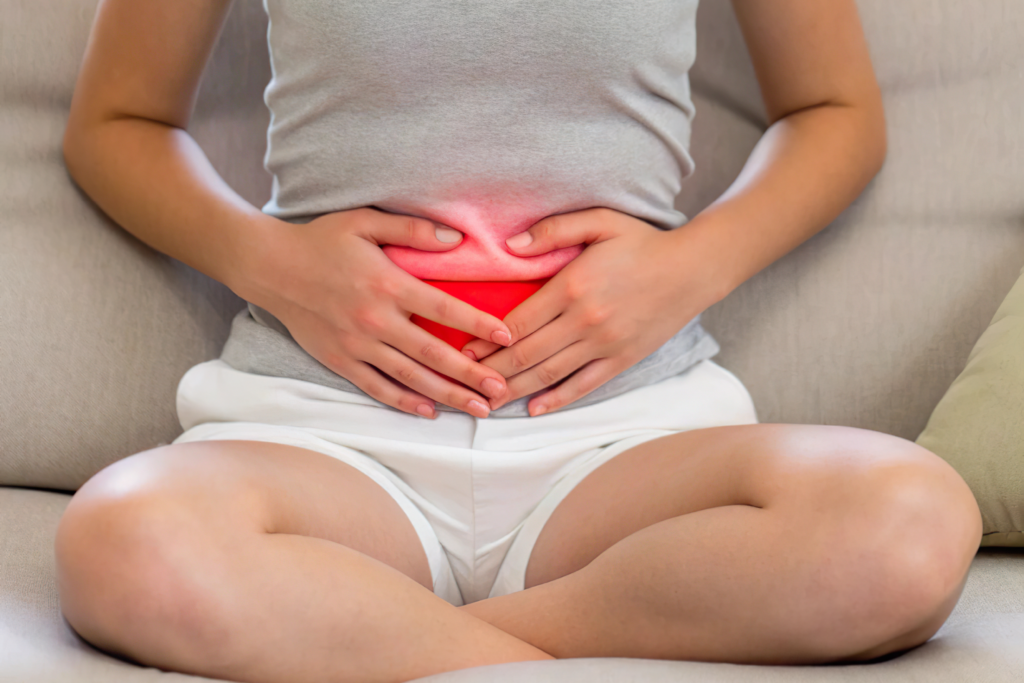
Bladder weakness can often be treated with the right care and lifestyle changes.

Living with incontinence can be challenging, but it doesn’t mean giving up.

Incontinence can be caused by different factors, but it can often be managed.
A subsidiary of The Lion Match Company (Pty) Ltd
© 2026 Clemens | All rights reserved.
Contact
- Email: info@lionmatch.co.za
- Customer Care: 0860 546 600
- 20 Mahatma Gandhi Road, Point Waterfront, Durban, 4000